How to Get Your Tanker Endorsement: Requirements, Test & Career Benefits
A complete guide to obtaining your tanker endorsement (N endorsement) including study topics, test format, state-specific fees, and the career opportunities it unlocks. Covers liquid bulk, dry bulk, and the additional pay premium tanker-qualified drivers typically earn over standard van operators.
TruckingJobsInUSA Team
TruckingJobsInUSA
The tanker (N) endorsement on your CDL opens the door to some of the highest-paying, most in-demand driving jobs in the industry. Whether you are hauling fuel, chemicals, milk, or dry bulk cement, tanker work commands a pay premium because it requires specialized knowledge and carries higher responsibility. Here is everything you need to know about getting your tanker endorsement and building a career with it.
What the Tanker Endorsement Covers
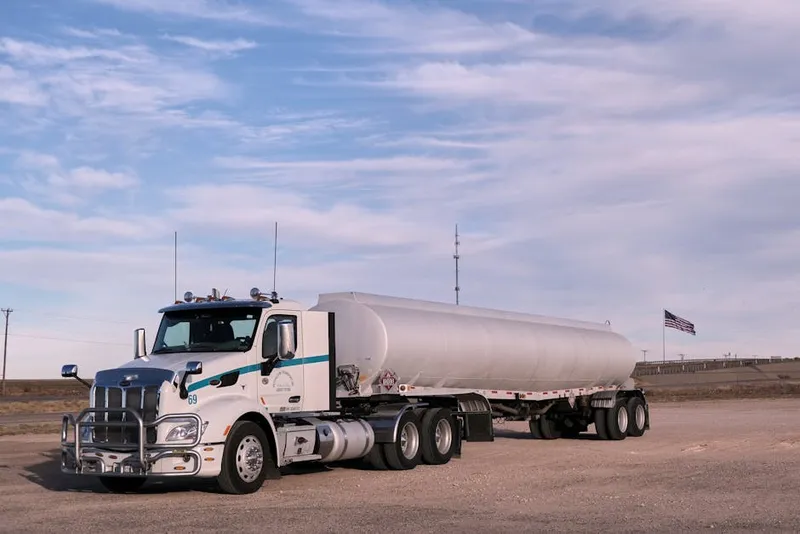
The N endorsement authorizes you to operate any commercial motor vehicle used to transport liquid or gaseous materials in a permanently mounted tank or a portable tank with a capacity of 1,000 gallons or more. This includes both liquid tankers (fuel, chemicals, food-grade liquids) and dry bulk tankers (cement, sand, flour, plastic pellets). Despite the name "tanker," the endorsement covers dry bulk because the trailer design is a tank, even though the cargo is not liquid.
If you plan to haul hazardous materials in a tanker (which includes most fuel and chemical loads), you will also need the hazmat (H) endorsement. Combining both gives you the X endorsement (tanker + hazmat combined). For the highest-paying tanker jobs, plan on getting the X endorsement — fuel hauling is where the best money is, and it requires both.
How to Get the Endorsement
The tanker endorsement requires passing a written knowledge test at your state's DMV or licensing office. There is no additional road test beyond your standard CDL road test. The process is straightforward:
- Study the tanker vehicles section of your state's CDL manual (Section 9 in most states)
- Visit your state DMV or licensing office
- Pay the endorsement fee
- Pass the written test (typically 20-30 multiple-choice questions, passing score varies by state but is commonly 80%)
- Your endorsement is added to your CDL immediately upon passing
Fees vary by state but typically range from $10 to $50 for the tanker endorsement alone. Some states charge a flat fee for CDL modifications, while others charge per endorsement. Check with your specific state's DMV for exact pricing. If you are adding hazmat simultaneously, expect additional fees plus the TSA background check cost (currently $86.50 for the hazmat threat assessment).
What the Test Covers
The tanker knowledge test focuses on several key areas that are critical to safe tanker operation:
Liquid surge and its effects on vehicle handling. When you brake or turn in a liquid tanker, the liquid continues moving — this is surge. Surge pushes the truck in the direction the liquid flows, which can cause loss of control, rollovers on curves, or push you through intersections. The test expects you to understand how surge affects braking distance and turning stability.
Baffled vs. unbaffled (smooth bore) tanks. Baffled tanks have internal walls with holes that slow liquid movement but do not stop side-to-side surge. Smooth bore tanks, required for food-grade loads like milk (because baffles cannot be properly sanitized), have no internal baffles, making surge more severe. You need to know the handling differences.
Loading and weight distribution. Overloading a tanker is dangerous and illegal. The test covers how to check weight, the importance of proper load distribution, and why you should never load a tanker completely full — liquids expand with temperature changes, and an overfilled tank can rupture or create uncontrollable surge.
Emergency procedures, inspection requirements, and safe driving techniques specific to tanker operation round out the test material. Focus on rollover prevention, proper speed management on curves, and the increased stopping distances tankers require.
Liquid Tanker vs. Dry Bulk Careers
Liquid tanker (fuel hauling) is the most common and highest-paying tanker career path. Fuel delivery drivers typically work locally or regionally, making multiple deliveries per shift to gas stations, truck stops, and commercial fuel customers. The work involves connecting and disconnecting hoses, monitoring gauges during loading and unloading, and maintaining strict safety protocols around flammable materials. Many fuel hauling jobs are local with home-daily schedules. Major fuel carriers include Schneider, Groendyke Transport, Superior Bulk Logistics, and numerous regional companies.
Chemical tanker drivers haul industrial chemicals, acids, and other specialized liquids. This work requires extensive safety training and typically pays at the top of the tanker scale. Companies like Quality Carriers and Trimac Transportation specialize in chemical transport.
Food-grade tanker drivers haul milk, juice, liquid sugar, cooking oils, and other food products. The work requires strict sanitation protocols and wash-outs between loads. Food-grade work often has more predictable schedules tied to agricultural and production cycles.
Dry bulk drivers haul cement, sand, fly ash, plastic pellets, and similar materials using pneumatic trailers. The loading and unloading process involves pressurized air systems that blow the product in or out of the tank. Dry bulk work is typically local or regional, common in construction and manufacturing areas.
Pay Premium
Tanker drivers generally earn 15-30% more than standard dry van drivers. Company fuel haulers commonly earn $65,000 to $90,000 annually, with experienced drivers at top carriers clearing $90,000+. Chemical tanker drivers can earn $80,000 to $100,000+ depending on the carrier and region. Local fuel delivery is one of the few trucking jobs where you can consistently earn $75,000+ while being home every night. The pay premium reflects the endorsement requirements, the additional responsibility, and the safety-critical nature of the freight.
Getting Hired
Most tanker carriers prefer at least one year of CDL experience, though some will hire newer drivers with clean records. Having your tanker endorsement (or the X endorsement) before you apply shows initiative and eliminates a barrier for the employer. Many tanker companies provide their own specialized training once hired — loading and unloading procedures, product-specific safety protocols, and equipment operation are typically taught on the job. Your CDL with the endorsement gets you in the door; the company trains you on their specific operations. Browse open tanker positions and check our salary guide for tanker pay by state.